
 ← Back to All Projects
Al-Mahsama Water Reclamation Plant: Advancing Water Security in Egypt
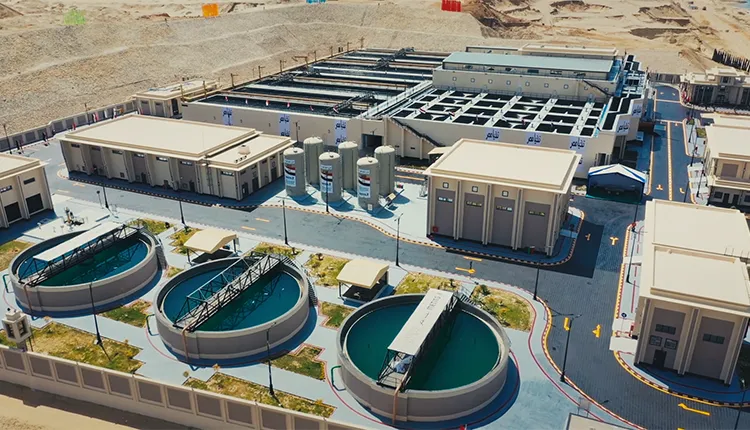
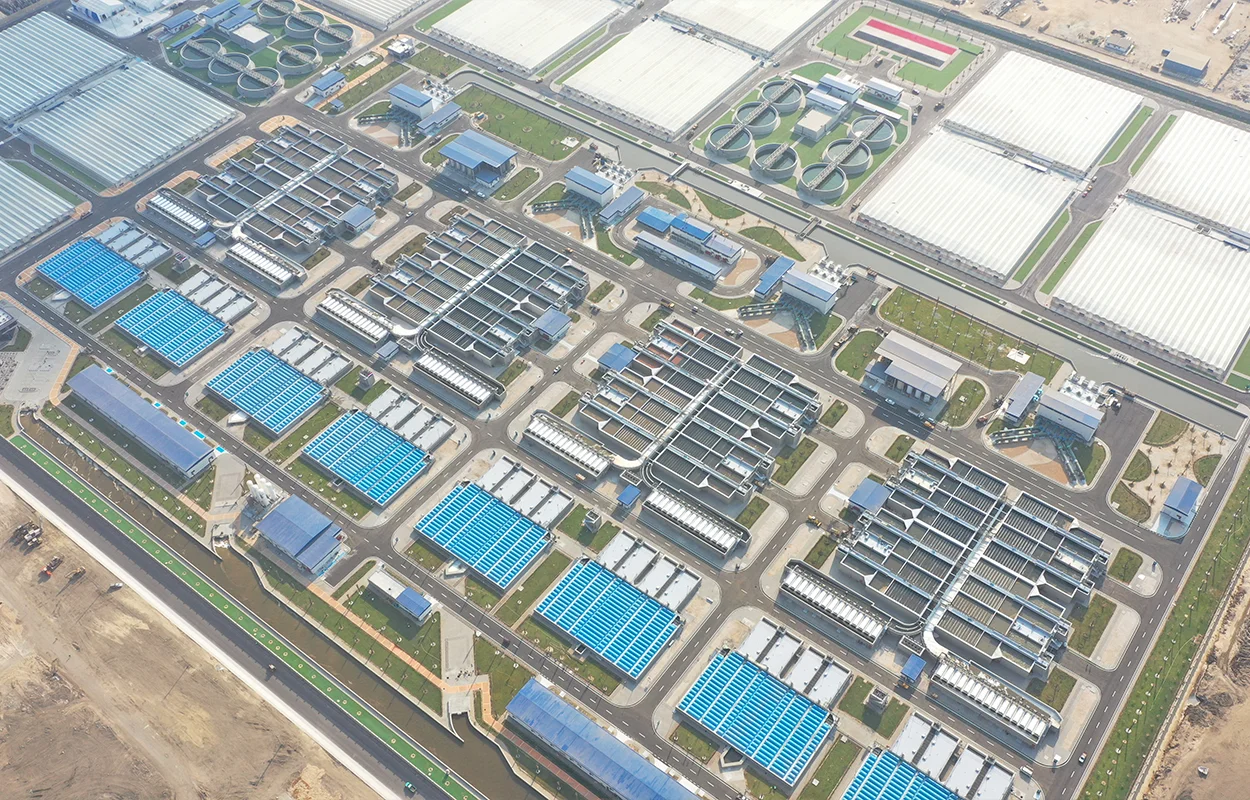
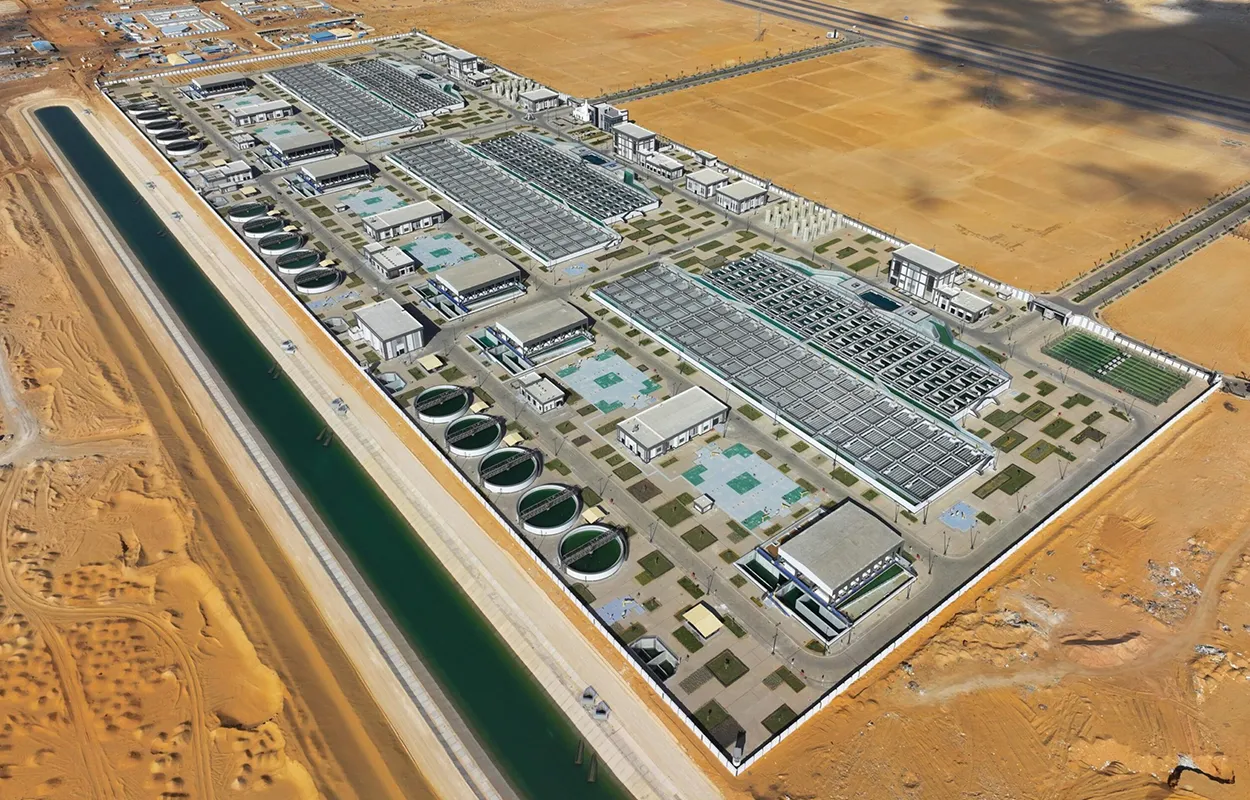
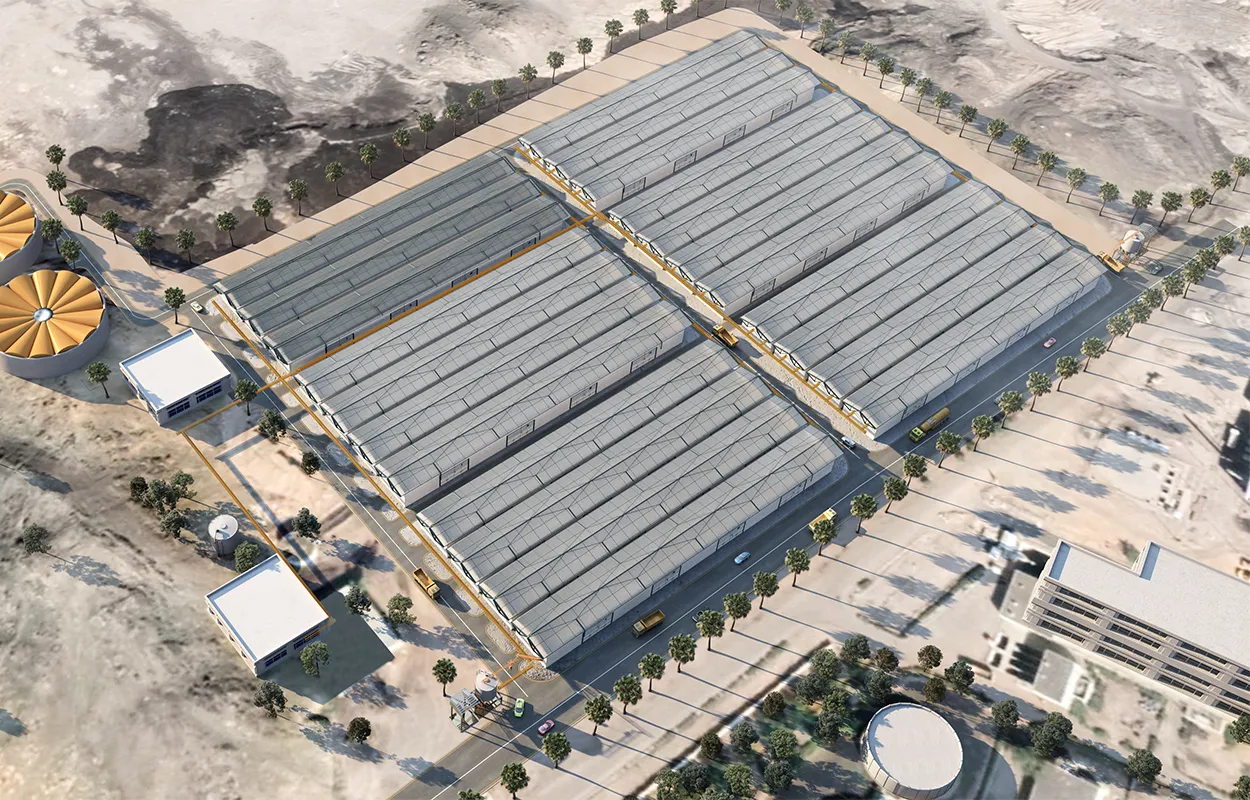
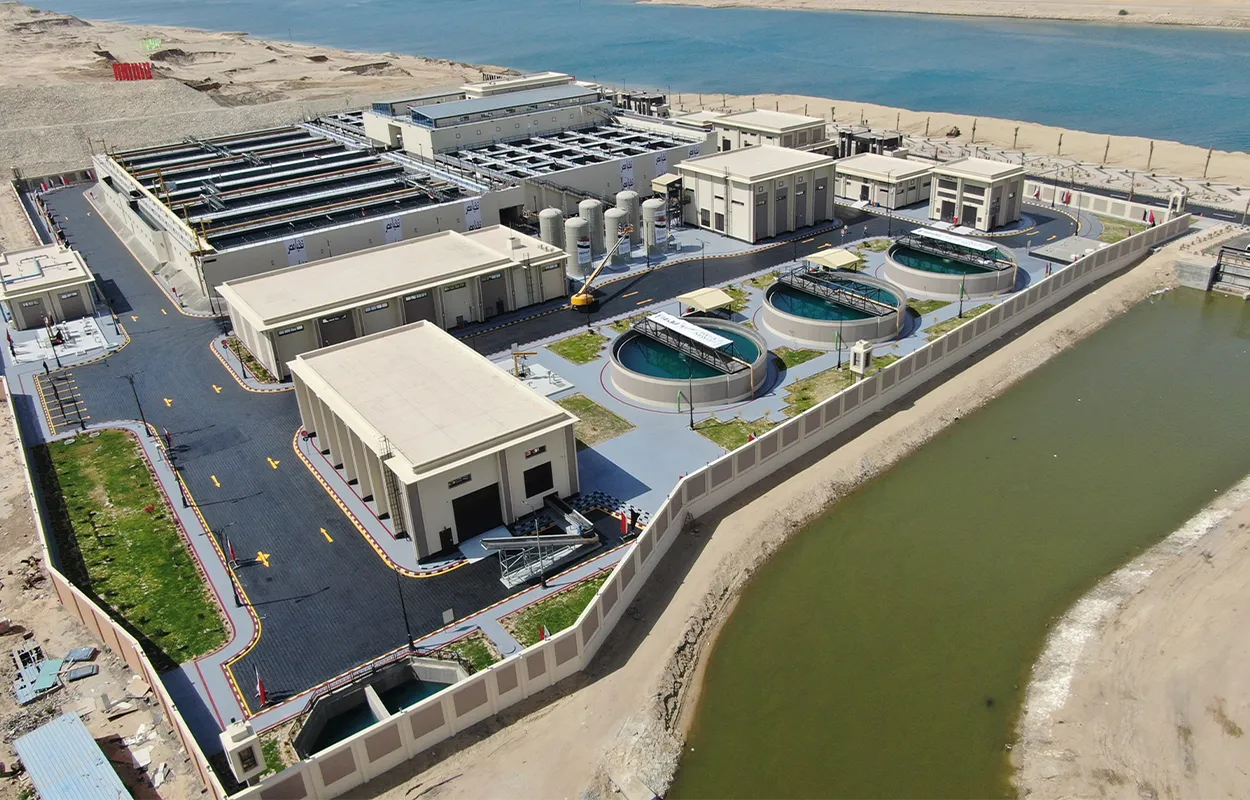
The Al-Mahsama Water Reclamation Plant is one of the largest facilities of its kind in the Middle East and Africa. Located in Egypt’s Sinai Peninsula, the plant treats and recycles one million cubic meters of water per day. The reclaimed water now irrigates 100,000 acres of farmland east of the Suez Canal, turning a desert region into a new agricultural hub.
K&A served as main consultant, delivering concept design, preliminary design, EPC tender documents, design review, and construction supervision. Our integrated scope ensured the project was delivered on time, within budget, and to the highest standards.
Designing for Scale and Efficiency
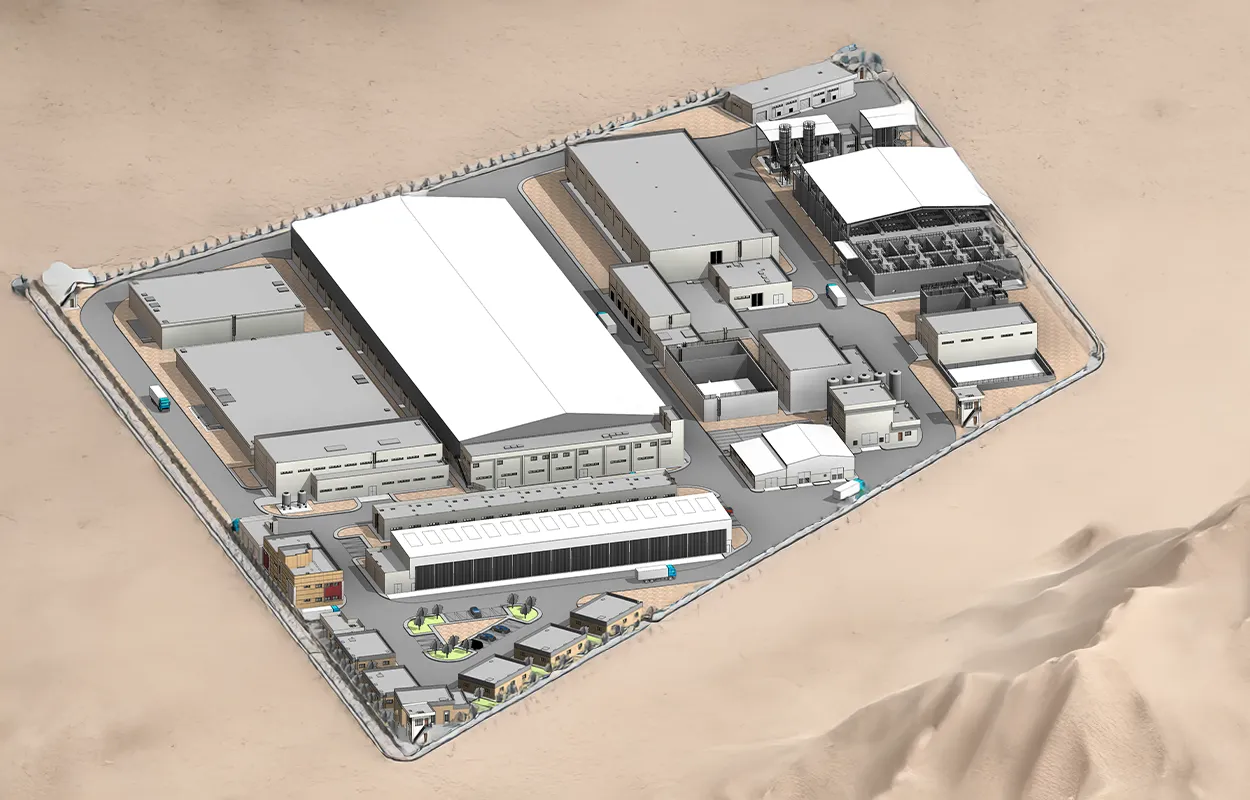
Built on a compact 42,000 m² footprint, the plant adopted a vertical design that reduced land requirements by 70%. This innovation also supported operational efficiency, minimizing energy losses across water treatment processes.
The facility combines multiple treatment technologies, including lamella settlers, disc filters, and advanced sludge management systems. These solutions ensure high-quality water output while reducing environmental impact and supporting long-term sustainability.
Managing Complexity Through Collaboration
Delivering the Al-Mahsama Water Reclamation Plant within 12 months required precise coordination. More than 3,000 workers operated in three shifts around the clock, supported by specialists from 15 countries.
K&A established a “one-team approach” with the client, contractors, and suppliers. Collaborative technologies created a virtual environment that aligned international teams across time zones. This enabled simultaneous delivery of design review and construction supervision.
Logistics were another major challenge. Moving 7,860 tons of steel and equipment required temporary floating pontoon bridges across the busy Suez Canal. Careful planning with the Egyptian military and local suppliers kept the project on schedule.
Engineering a Sustainable Future
The Al-Mahsama Water Reclamation Plant integrates sustainable practices across design and operation:
- Flash mixing and powder-activated carbon reduce organic content effectively.
- In-site laboratories ensure water quality through continuous monitoring.
- Sludge is analyzed for potential reuse in light construction materials.
- Locally manufactured equipment reduced costs and supported the national economy.
A tailored health and safety program recorded over 4 million hours without a lost-time incident, setting a benchmark for safe delivery of complex infrastructure.
Transforming Water Scarcity into Opportunity
The Al-Mahsama Water Reclamation Plant was completed in just 12 months, far ahead of the original 24-month estimate. It has become a model for water reuse and recycling, reducing pressure on the Nile and protecting the ecology of Al Temsah Lake.
The project strengthens Egypt’s water security, supports food production, and enables new communities to grow in a once-remote desert region. Honored as Infrastructure Project of the Year, it demonstrates how integrated design, innovation, and collaboration can deliver transformative outcomes for people and the environment.
Engineering a Sustainable Future
The Al-Mahsama Water Reclamation Plant integrates sustainable practices across design and operation:
- Flash mixing and powder-activated carbon reduce organic content effectively.
- In-site laboratories ensure water quality through continuous monitoring.
- Sludge is analyzed for potential reuse in light construction materials.
- Locally manufactured equipment reduced costs and supported the national economy.
A tailored health and safety program recorded over 4 million hours without a lost-time incident, setting a benchmark for safe delivery of complex infrastructure.
Transforming Water Scarcity into Opportunity
The Al-Mahsama Water Reclamation Plant was completed in just 12 months, far ahead of the original 24-month estimate. It has become a model for water reuse and recycling, reducing pressure on the Nile and protecting the ecology of Al Temsah Lake.
The project strengthens Egypt’s water security, supports food production, and enables new communities to grow in a once-remote desert region. Honored as Infrastructure Project of the Year, it demonstrates how integrated design, innovation, and collaboration can deliver transformative outcomes for people and the environment.