
 ← Back to All Projects
Port of Dar es Salaam: Geotechnical Design for a Modern Maritime Gateway
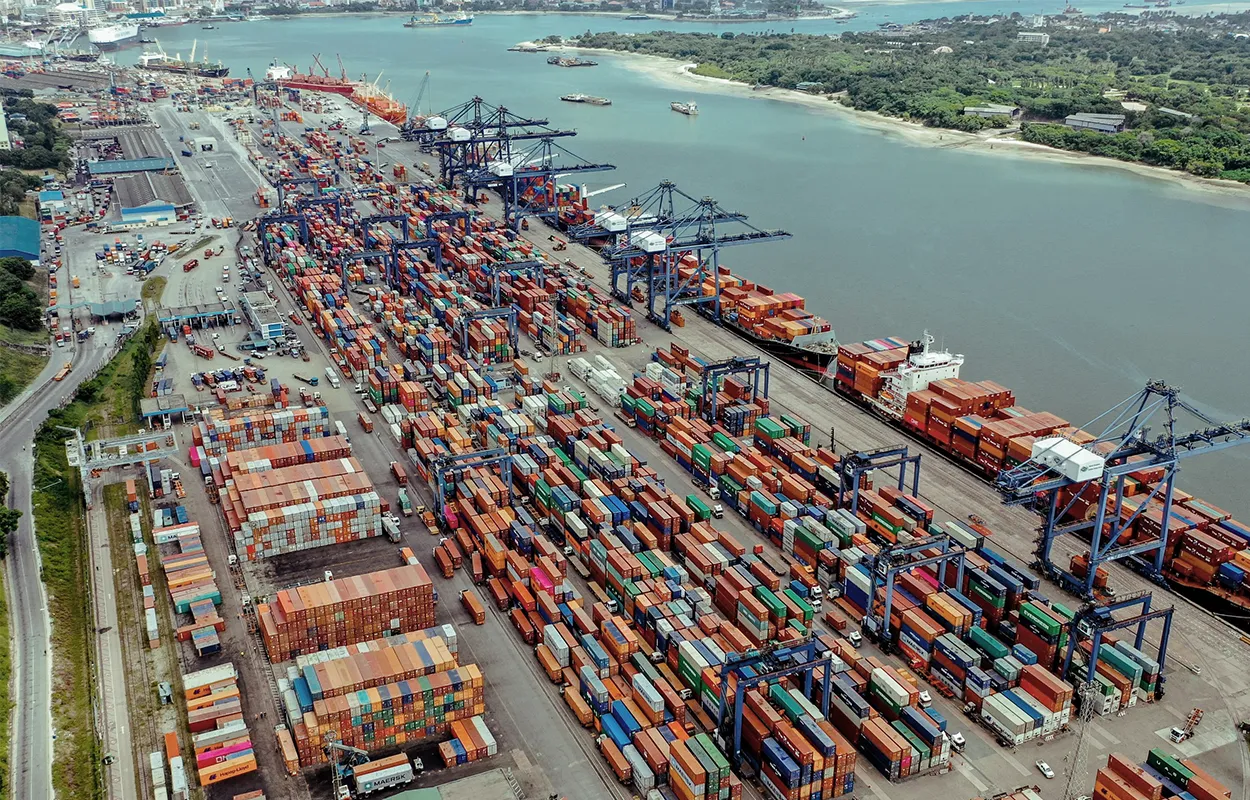
Dar es Salaam Port is Tanzania’s main hub for trade and maritime activities. It handles container shipping, ferry services, and cruise ship tourism. To improve capacity and efficiency, the Tanzania Port Authority (TPA) has commissioned K&A to design new terminals for containers, ferries, and cruise ships in the city center.
K&A delivered feasibility studies, market analysis, master planning, environmental and social impact assessments (ESIA), detailed design for infrastructure and buildings, and tender documentation. A major part of this work involved overcoming challenging geotechnical conditions in a dense urban port environment.
Tackling Geotechnical Constraints in a Coastal Setting
The project site presented loose soil conditions and limited land availability, creating risks for terminal expansion and long-term stability. Proximity to the coast introduced environmental sensitivities, particularly around dredging and reclamation, while heavy maritime and vehicular traffic added logistical complexity. Reliable site data was difficult to obtain, requiring strict oversight of survey and investigation work.
Geotechnical Engineering Solutions
Stable Foundations for Port Expansion
The Port of Dar es Salaam project successfully delivered geotechnically sound designs for new container, ferry, and cruise ship terminals. The use of deep foundations, ground improvement, and carefully managed reclamation works provided a stable platform for expansion in one of Africa’s busiest ports.
The project enhanced capacity for trade, transport, and tourism while ensuring environmental stewardship and operational continuity, positioning the port as a resilient and efficient gateway for East Africa.