
 ← Back to All Projects
STC Square: Human-Centric Electrical and Lighting Design
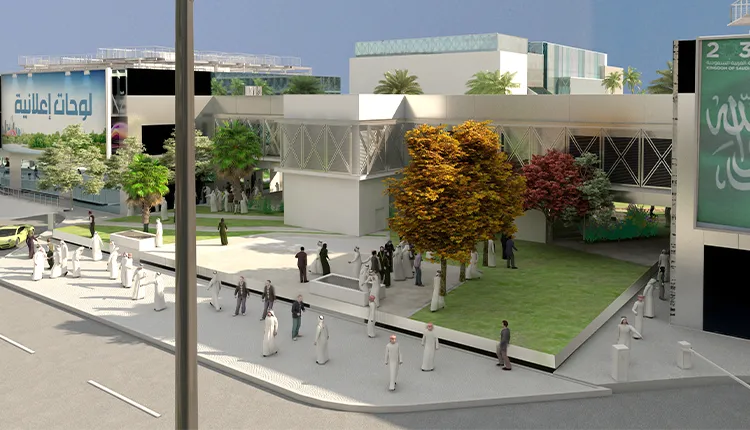
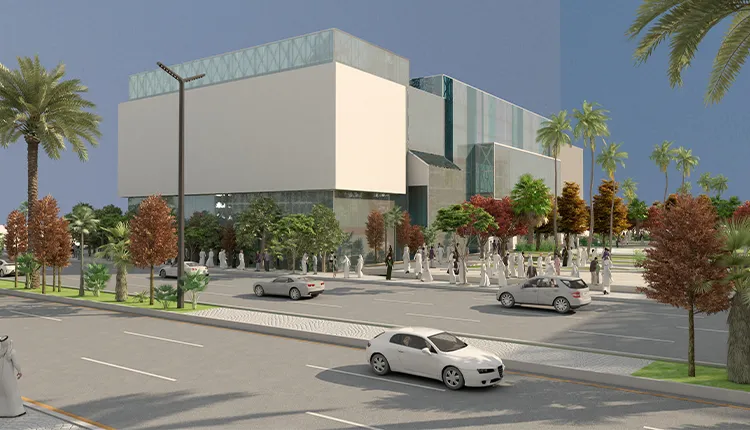
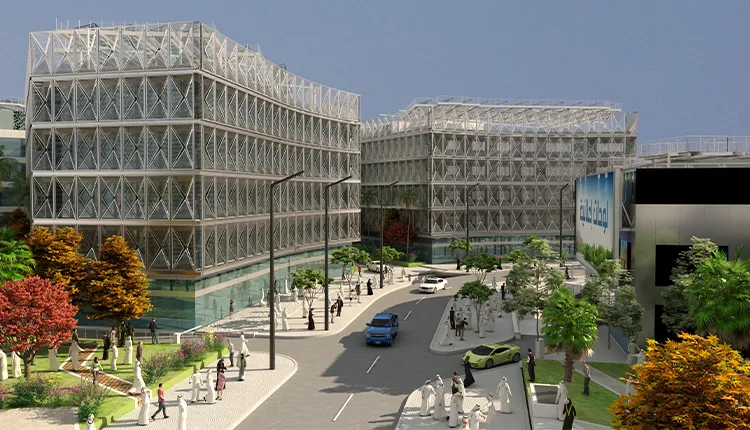
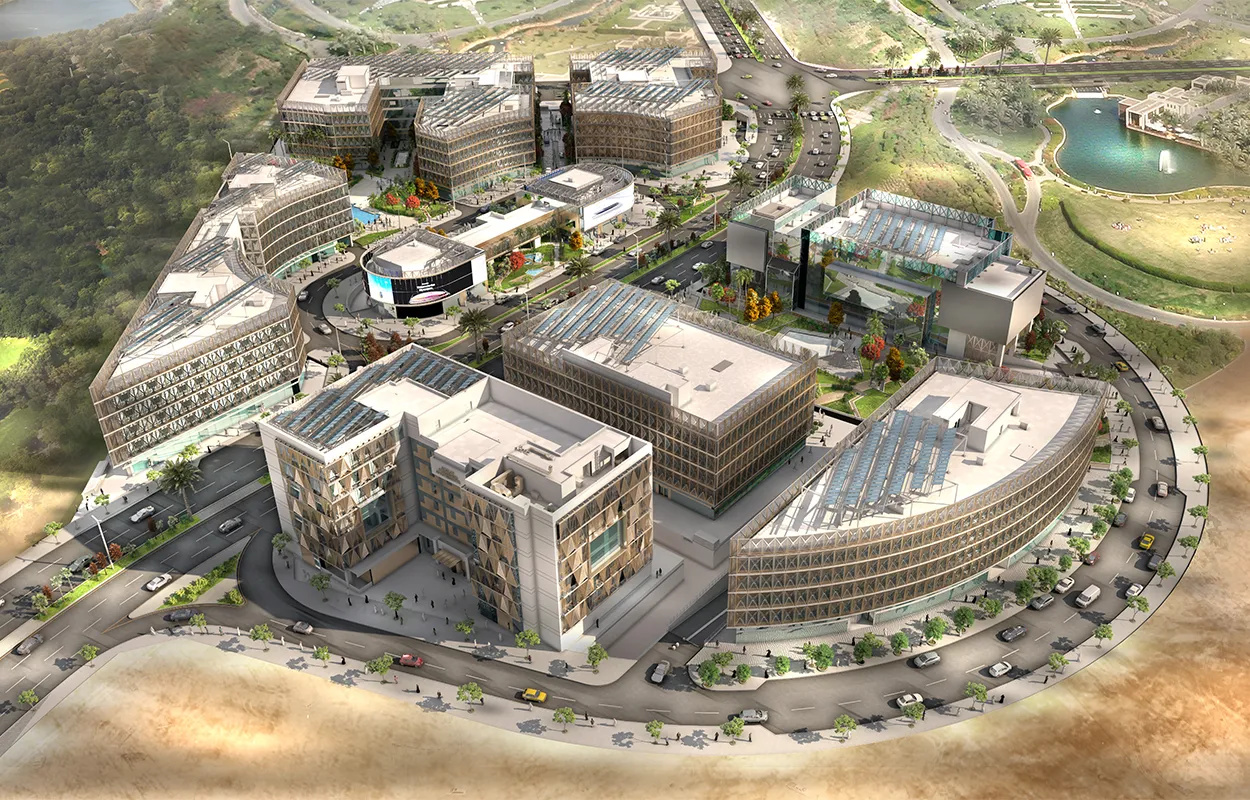
Aqalat Square is a modern mixed-use development in Riyadh that prioritizes comfort and sustainability. Commissioned by AQALAT (STC), the project integrates electrical systems and lighting strategies designed around people, ensuring flexibility, efficiency, and visual comfort across diverse functional spaces.
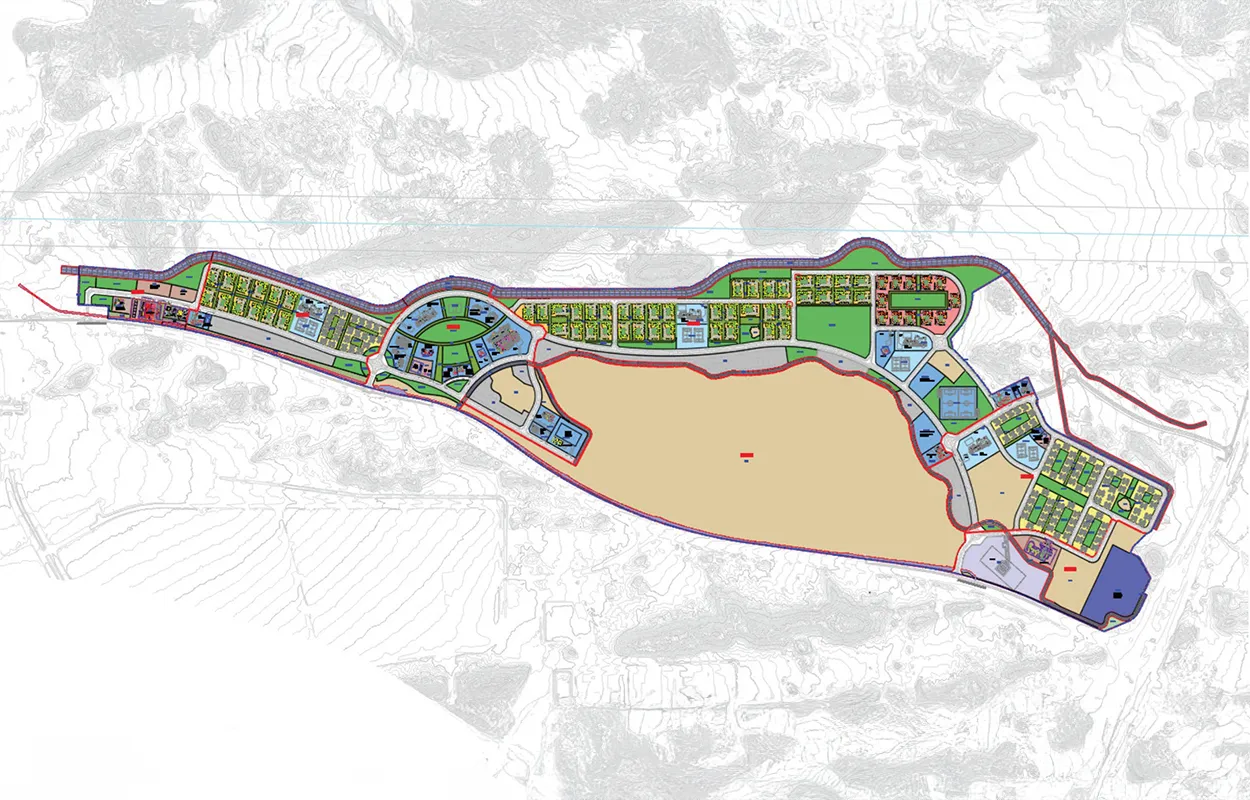
K&A served as main consultant, delivering studies, master plan, concept and schematic design, detailed and final design, and design review, along with supporting works in roads, parking, and traffic control. Our role centered on developing a sustainable electrical and lighting framework that supports both functionality and user well-being.
Tackling Complex Lighting Challenges
The open, non-classical layout of Aqalat Square required tailored lighting strategies for multiple zones, each with its own activity and occupancy patterns. Reflective environments created a risk of LED glare, while fluctuating daylight levels demanded intelligent control to maintain stability. The electrical systems had to adapt seamlessly to these variables while reducing energy consumption.
Engineering Smarter Electrical Systems
K&A developed an electrical and lighting strategy built around advanced control and human-centric principles. Occupancy sensors were strategically placed to avoid false triggers and ensure accurate performance. Daylight sensors stabilized indoor lighting by integrating natural light throughout the day. Control systems were fine-tuned to match user behavior, with specific solutions for workspaces, communal areas, and circulation zones. LED placement was optimized to minimize glare and enhance comfort, while delivering long-term efficiency.
A Flexible and Sustainable Lighting Environment
The Aqalat Square electrical design achieved a balance between comfort, efficiency, and adaptability. The advanced controls reduced energy consumption and supported sustainability goals, while the tailored lighting strategies improved user experience and productivity.
The project stands as a model for people-centered electrical design in large mixed-use developments, demonstrating how technology and thoughtful planning can create flexible environments that adapt to real user needs.