
 ← Back to All Projects
Documenting Industrial Heritage in Saudi Arabia
Industrial heritage in Saudi Arabia records the technologies, places and working lives that shaped the Kingdom’s development. Today, preserving this rich legacy begins with discovering and documenting the significance of each site so that the story of industrial heritage in Saudi Arabia inspires generations to come.
As part of the National Strategy for Industrial Heritage project, Khatib & Alami (K&A) supported the Heritage Commission under the Ministry of Culture with field surveys, visual documentation and GIS applications. The work provided evidence to assess sites and consider them for national registration.
Building an inventory across the Kingdom
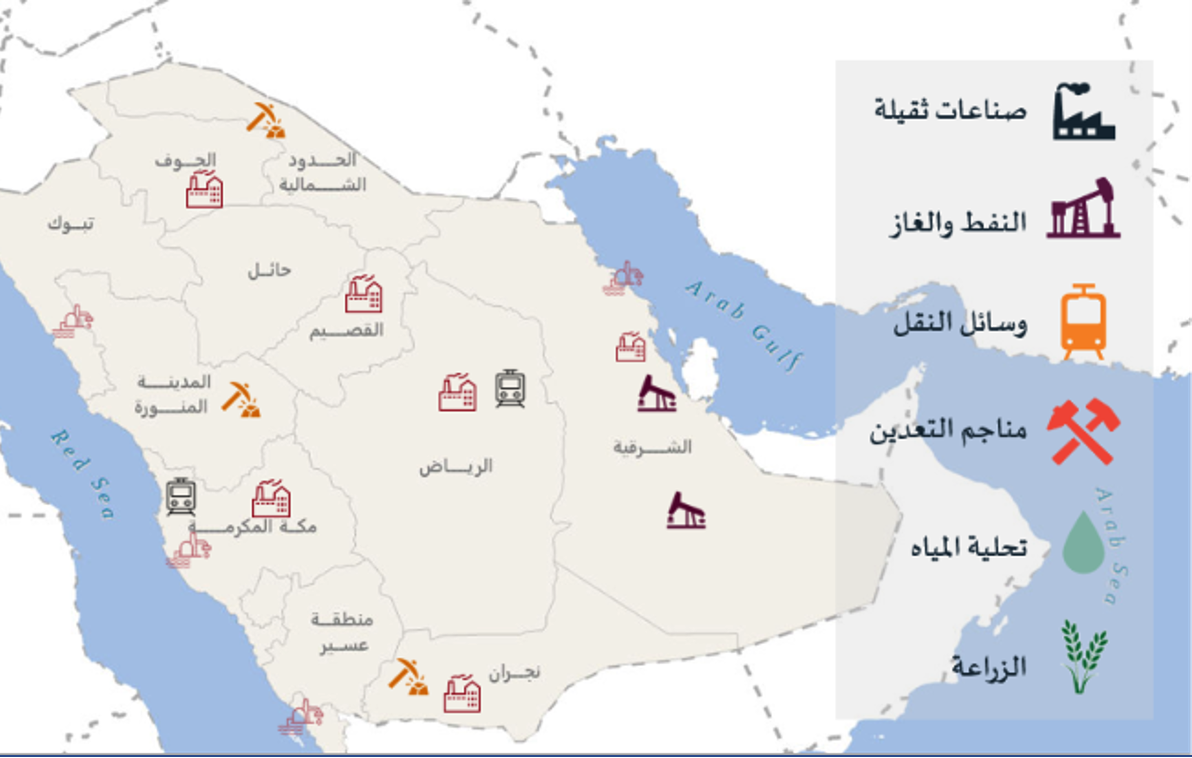
The project combined strategic and organizational advisory support for the industrial heritage program with tools for inventory and registration activities.
A final list identified 70 sites nominated for registration across most regions of Saudi Arabia. They represented six categories: heavy industries, oil and gas, transportation, mining, water desalination and agriculture.
The team coordinated field visits with the Commission’s regional branches and relevant stakeholders. Available archival documents, historical records and site information supplemented the findings recorded on site.
Documenting sites from the ground and air
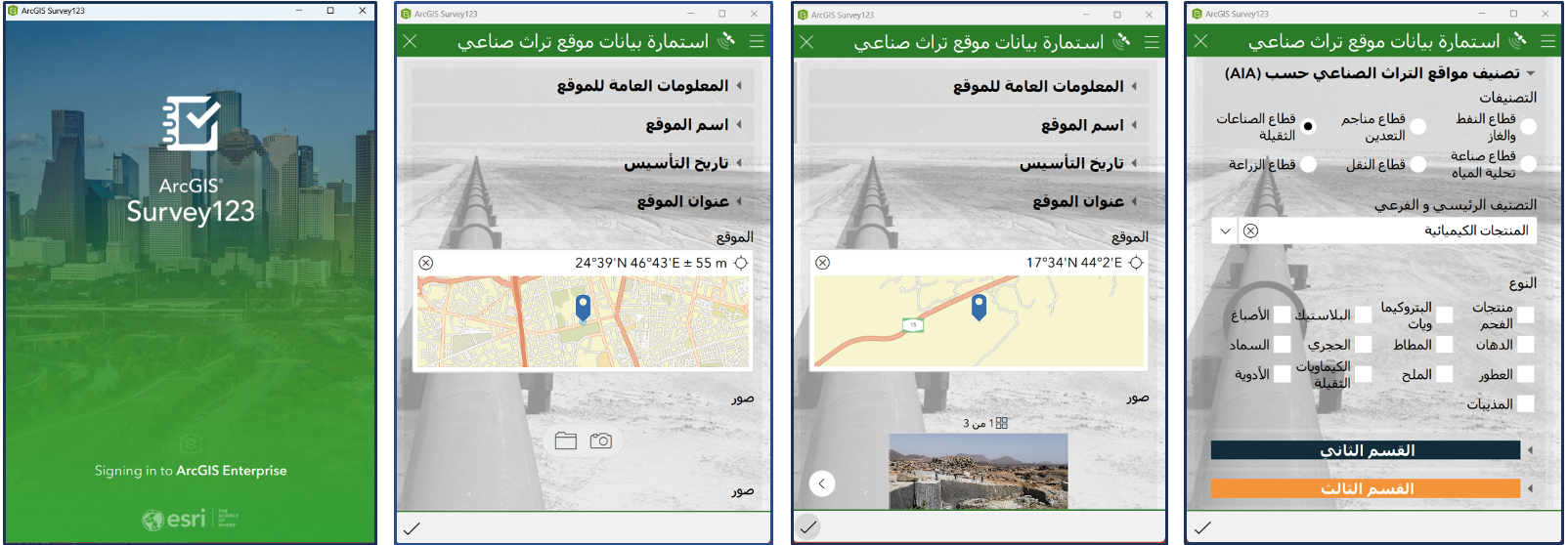
During field visits, teams completed the Industrial Heritage Site Registration Form using ArcGIS Survey123 on tablets.
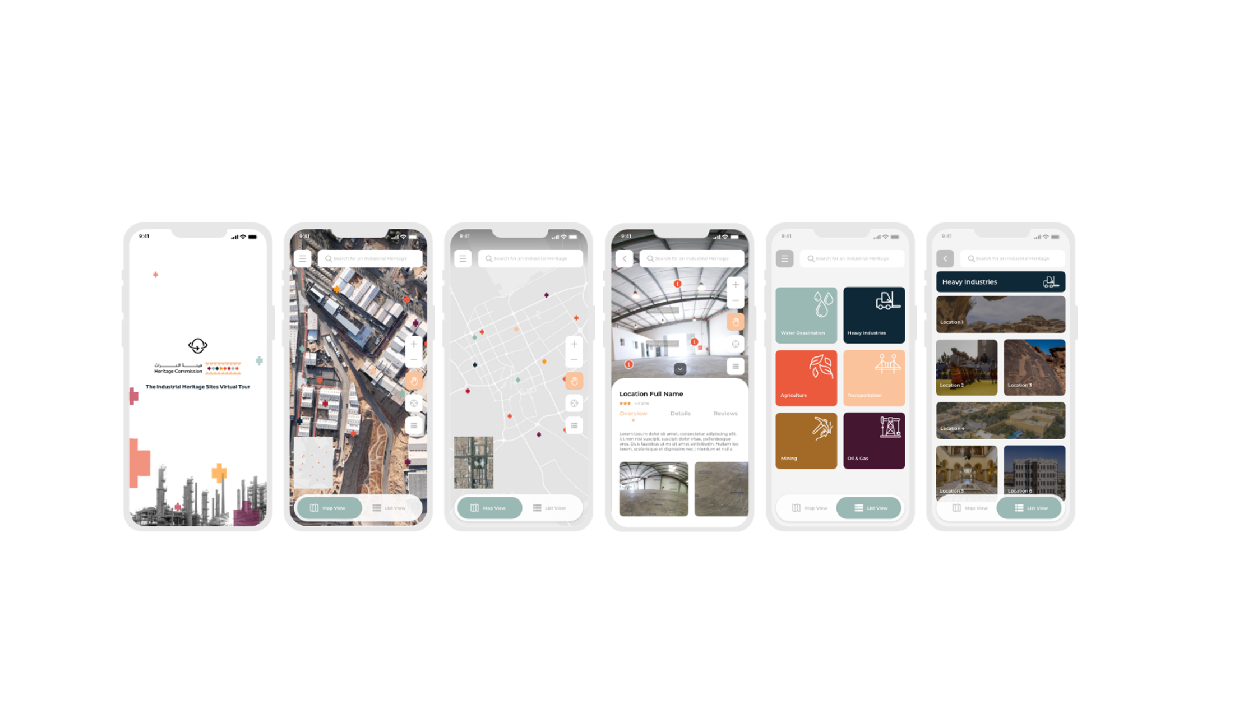
High-resolution professional photographs recorded site features and drone footage captured their overall layout and components. A short video was produced for each site, and 360-degree photography supported the development of virtual tours.
This material documented the sites’ historical and industrial significance for assessment and future preservation.
Accessing the records through GIS
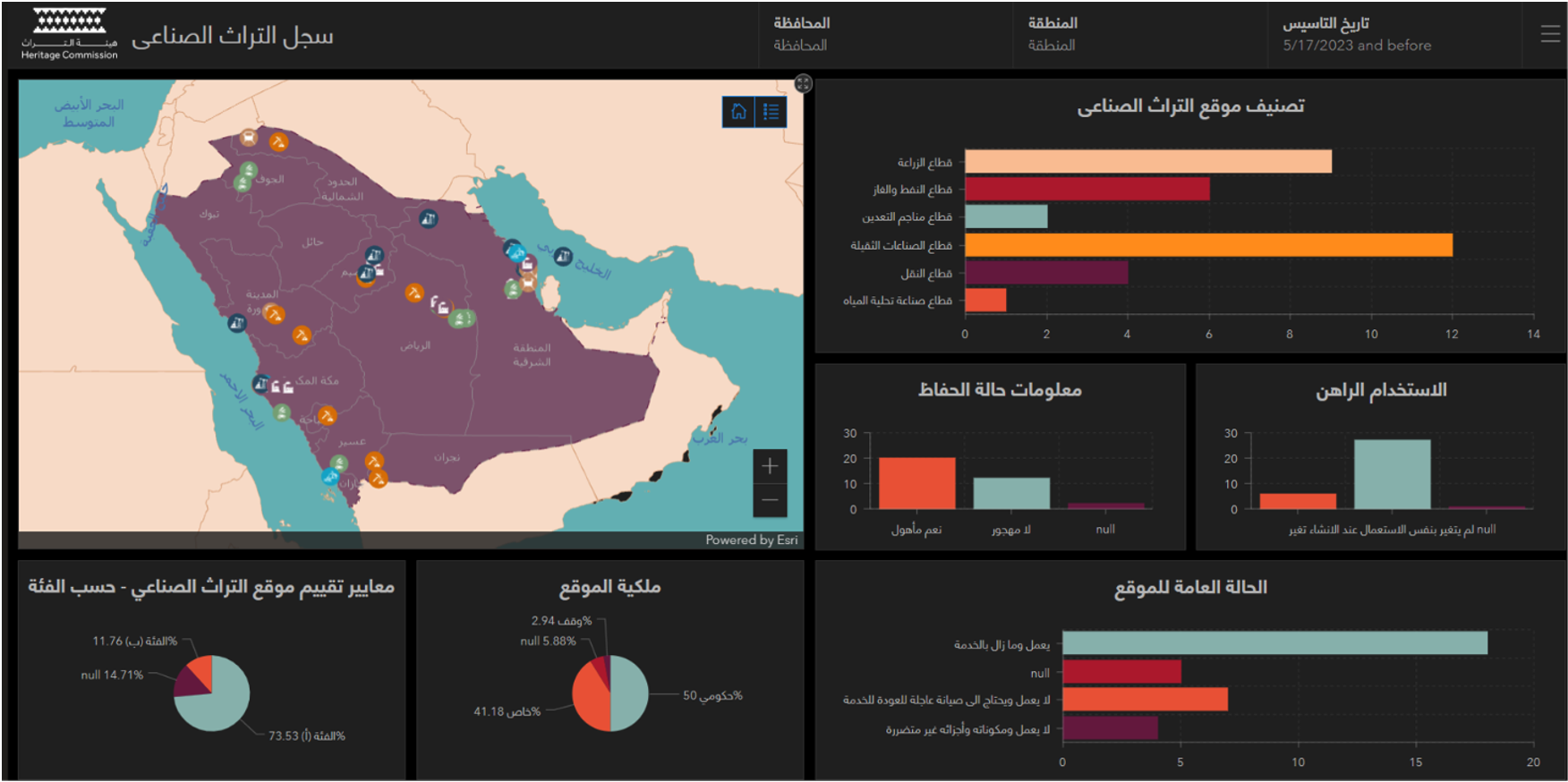
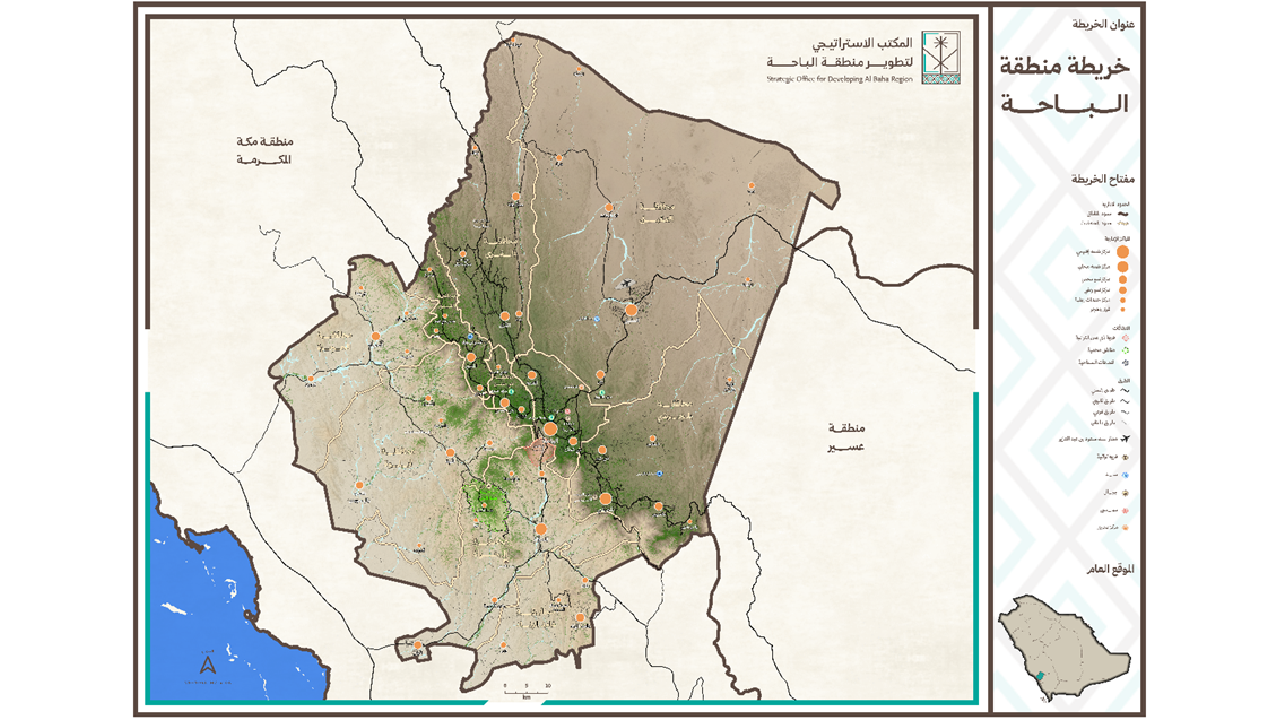
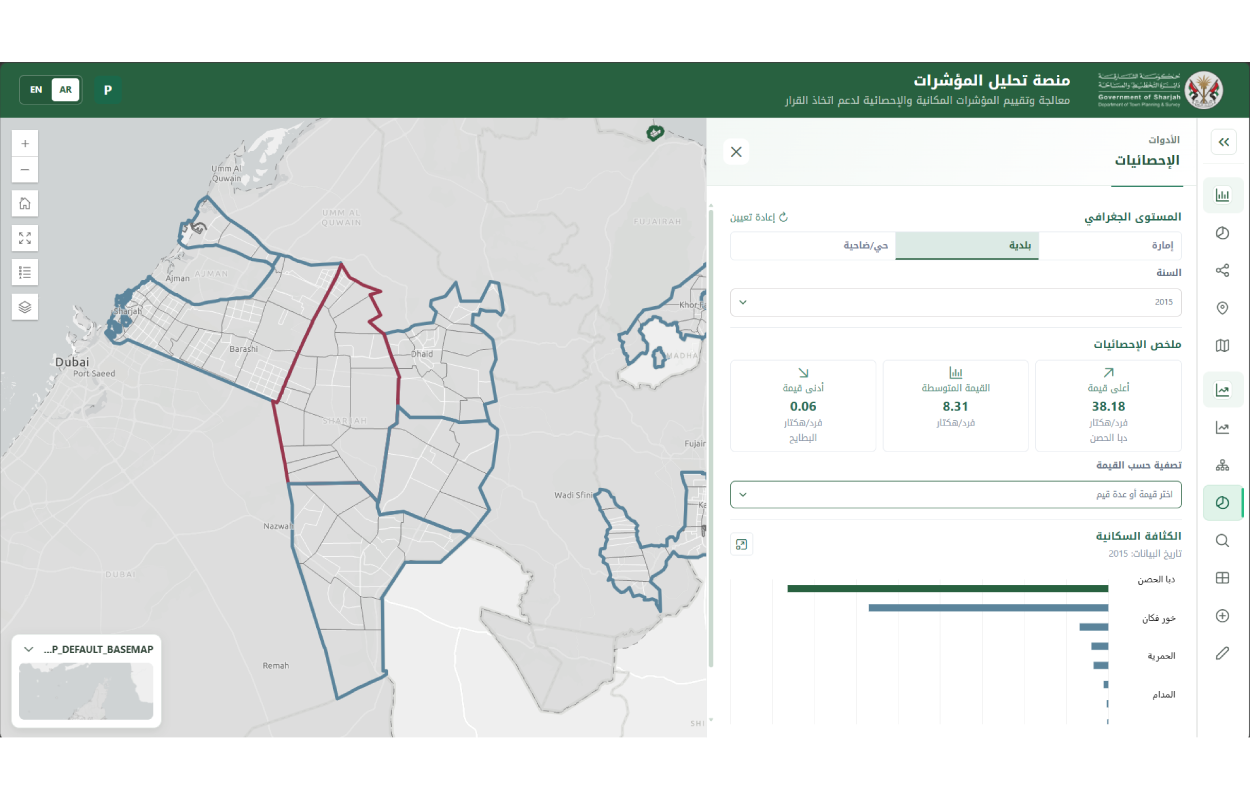
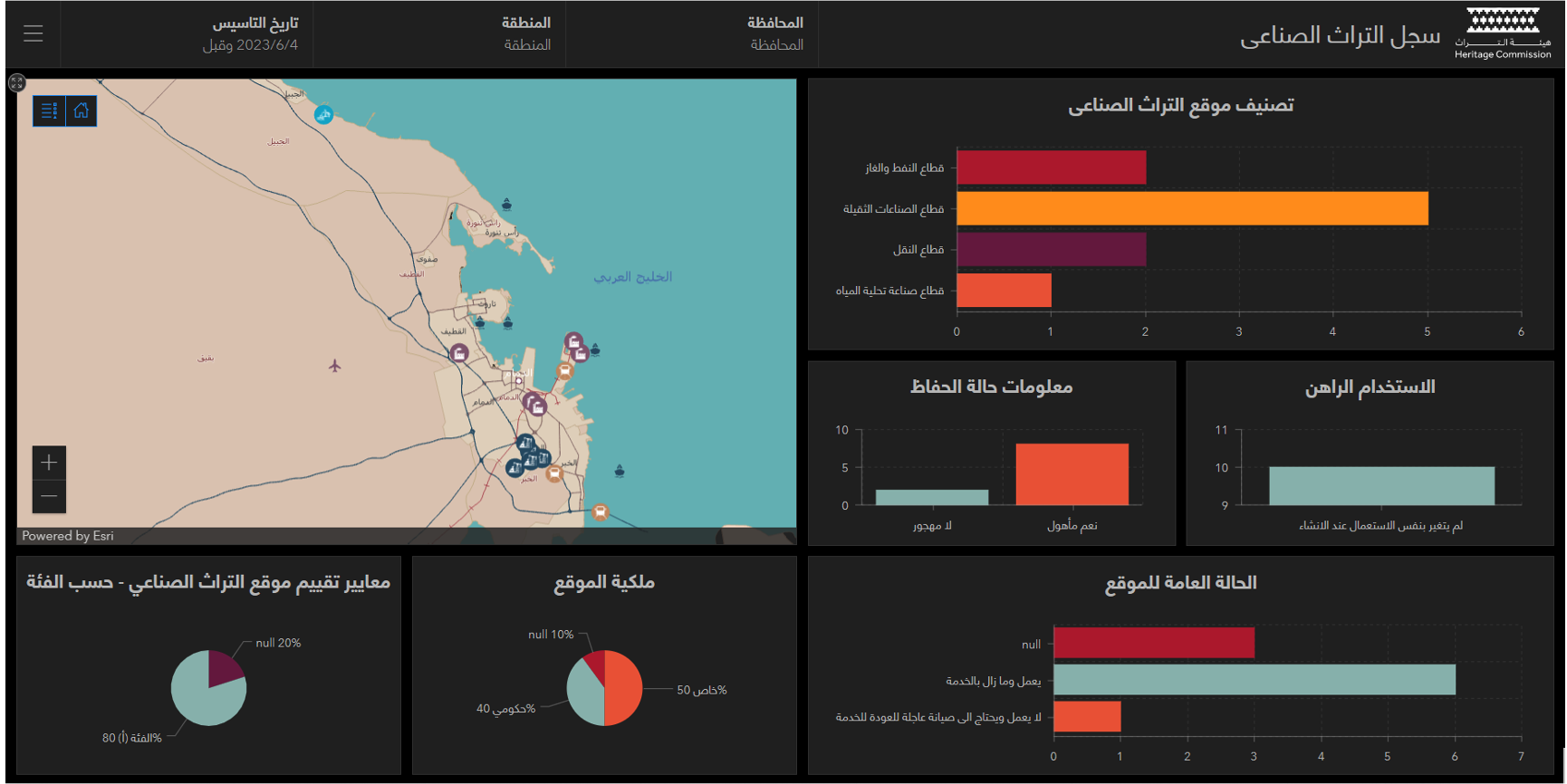
A Web Map Viewer application allows users to research the sites and examine their information geographically. A dashboard displays site data and key performance indicators, while a mobile application provides access to virtual tours and 360-degree images.
These tools make the fieldwork available for research and review. The wider program also aims to raise awareness, engage local communities in preservation and strengthen the connection between industrial heritage and national identity.
Informing the national heritage roadmap
The Heritage Commission subsequently used the project’s outputs at the International Workshop on Industrial Heritage in Riyadh in May 2024.
The workshop explored international practices in planning, activation and adaptive reuse in alignment with the Sustainable Development Goals. Collaboration with the International Committee for the Conservation of the Industrial Heritage (TICCIH) included a focus on the oil and gas sector and the origins of industrial heritage in Saudi Arabia.
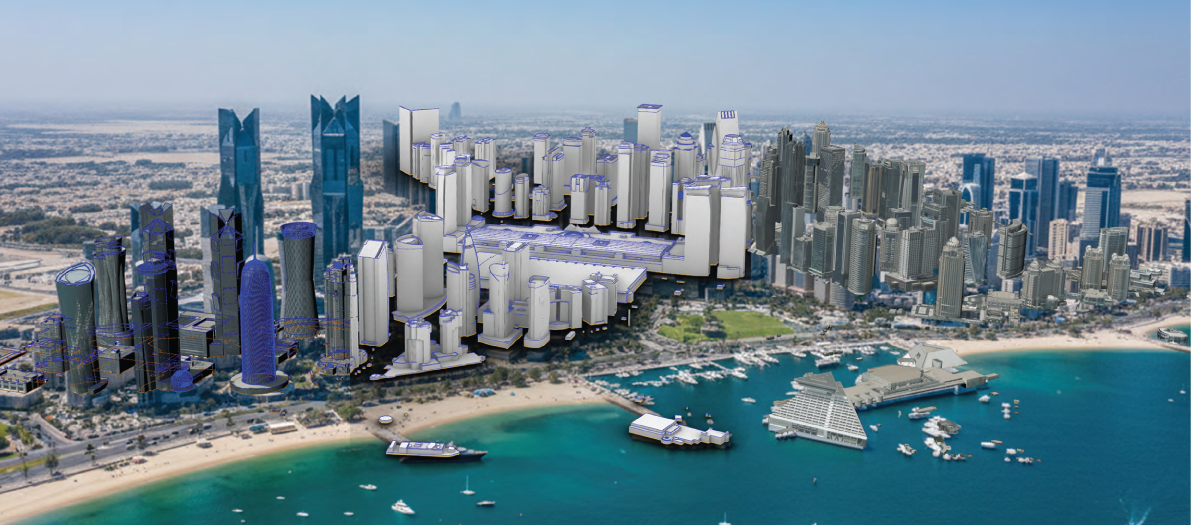
Survey data, short videos, drone imagery, 360-degree photography and 3D visualizations helped showcase the identified sites. They supported stakeholder discussions on a national industrial heritage roadmap and the Kingdom’s role in the sector regionally and internationally.